 LOGIN
LOGIN
Veterinary Surgeons Act
We strongly support reform of the Veterinary Surgeons Act 1966.
We need new primary legislation that modernises the regulatory framework, making it fit for purpose and protects the title ‘veterinary nurse’. This will benefit animal health and welfare, delivery of veterinary care and retention of veterinary professionals.
|
On 9 July, the UK Government published a White Paper, Our vision for a thriving veterinary sector, which sets out major changes to how veterinary services will be delivered in the UK. Learn more here: Pivotal moment as Government publishes reformed veterinary legislation White Paper |
What's the issue?
The current Act was designed for a different era. Nearly 60 years later, more than half of UK households now have a pet, technology has changed dramatically, and the way vets care for animals has been transformed. Key issues include:
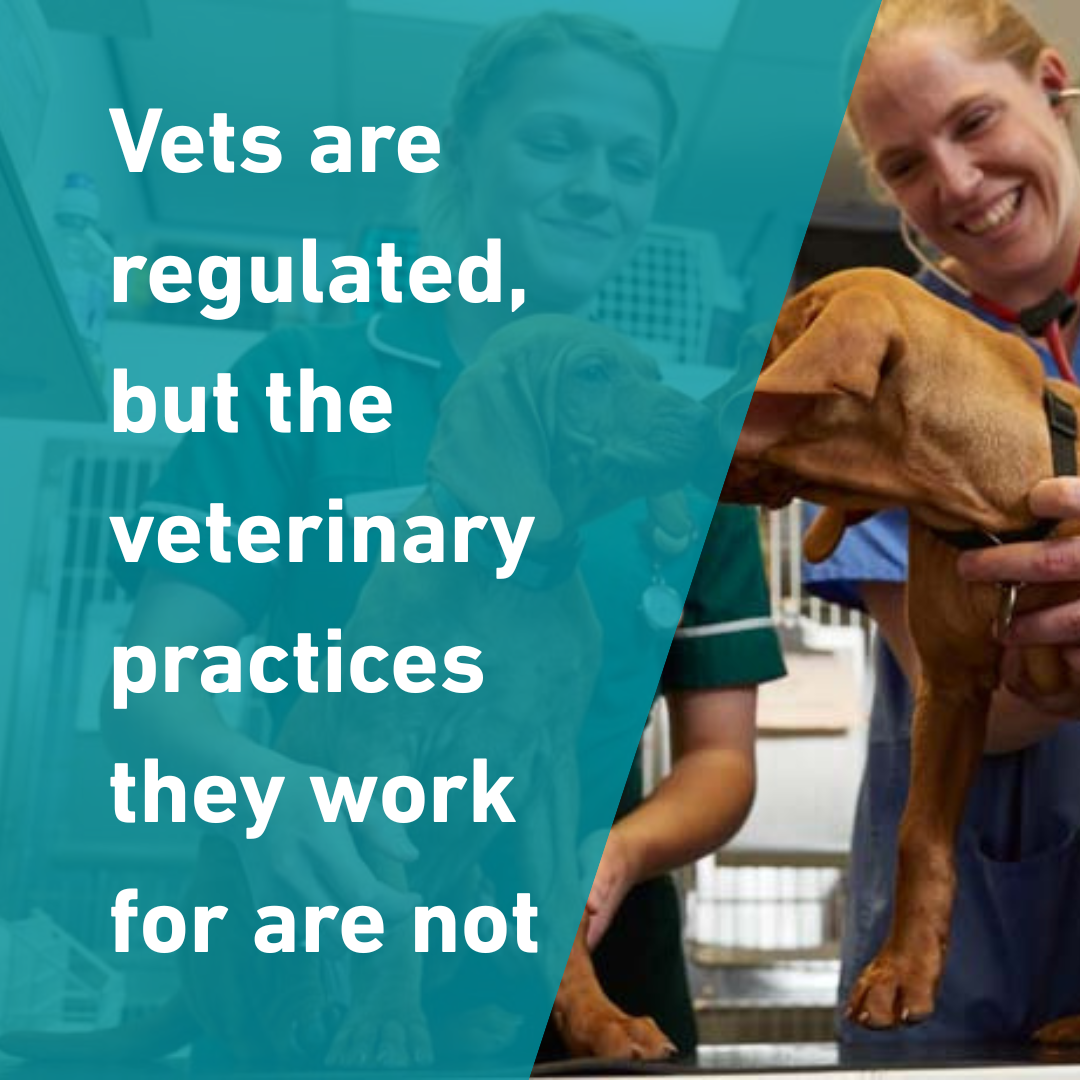
This means individual vets and nurses are held accountable for business decisions which are often outside their control, but can directly impact animal health and welfare.
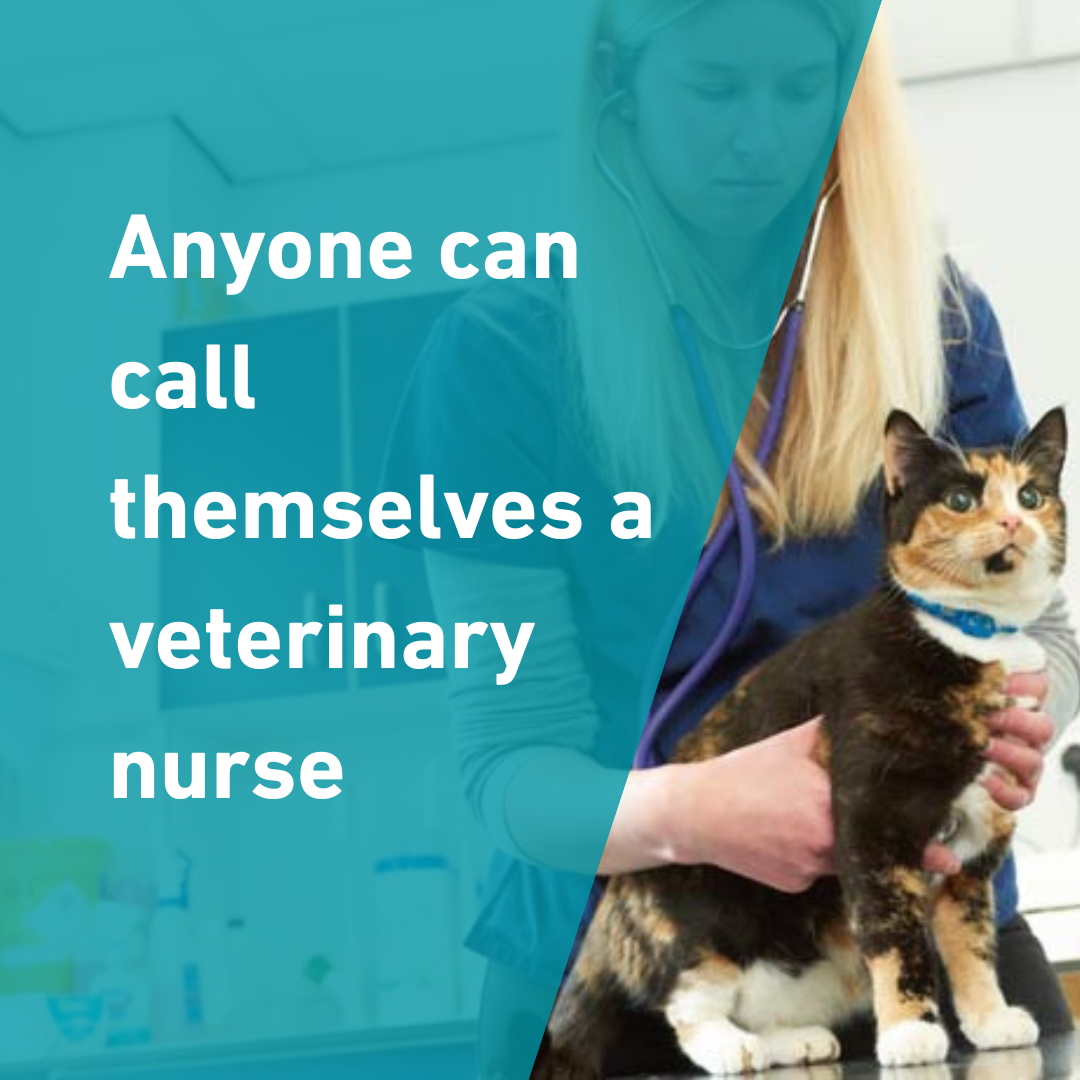
Highly skilled and qualified, registered veterinary nurses work closely with veterinary surgeons, yet no formal training or qualifications are actually required for someone to call themselves a ‘veterinary nurse’.

Vets are closely supported by registered veterinary nurses, vet techs, musculoskeletal professionals and equine dental technicians and others, which are now an essential part of veterinary care, yet their roles are not recognised in the current Act.
Learn more with our webinars
Dating back to 1966, the current Veterinary Surgeons Act is woefully out of sync with the modern veterinary profession and needs urgent reform.
Watch our three-part webinar series, with BVA Senior Vice President Liz Mullineaux and BVA President Rob Williams, alongside special guests, which will take you through why we need reform of the Veterinary Surgeons Act.
We also have a summary webinar and a Q&A with Defra about the consultation.
PART 1: Reforming the Veterinary Surgeons Act: how is veterinary surgery regulated, what needs to change and why?
This first webinar in the series covers what it will mean for vet teams in practice and elsewhere, and how you can influence what legislative reform might look like ahead of a Defra public consultation, hopefully later this year.
PART 2: Reforming the Veterinary Surgeons Act: what might it look like and how will it impact vets in practice?
The second webinar in our three-part series explores what Defra has been doing towards reform of the Veterinary Surgeons Act, and how BVA and others have supported this work; its potential impact on vet teams in practice and working elsewhere and the the opportunities for you to influence and shape these important reforms.
PART 3: Reforming the Veterinary Surgeons Act: how might governance of the professions change?
In this third and final webinar in our series, we look at what governance of the profession might look like under a reformed Veterinary Surgeons Act, what the pros and cons of different governance models might be and what these changes could mean for vet teams in practice.
Proposed changes to veterinary legislation – how will it impact me?
The UK Government has published proposals that could see major changes to veterinary legislation that will have a direct impact on the way vet teams work – in particular, how we are regulated and governed. This webinar breaks down everything you need to know before taking part in the consultation.
Veterinary Surgeons Act reform: Live Q&A with Defra
Veterinary Surgeons Act reform: Live Q&A with Defra As the public consultation on proposals to reform of the outdated VeterinarY Surgeons Act enters the final stages, this is your member-exclusive opportunity to hear directly from the Department for Environment, Food and Rural Affairs (Defra) on how the proposed changes could impact you and the wider veterinary professions, as well as clients and their animals.
Legislative reform proposals: how we got here and why your contribution is vital
In this first in a series of articles by BVA senior vice president, Elizabeth Mullineaux explains the background to the proposed reform of the Veterinary Surgeons Act 1966, how members can learn more about the proposed changes and how they can make their opinions heard.
What are we doing?
We’ve long been calling for reform of the Act, making it a priority in our manifesto for animals, vets and public health, and using every opportunity we can to highlight it’s importance to decision makers.
We’re pleased to be part of a core working group formed by Defra, alongside key organisations including RCVS, BVNA and VSC, tasked with developing the detail of draft recommendations for Ministers
We working to ensure veterinary surgeons are protected by any new legislation, and that key areas such as regulation of practices, recognition of allied professionals and legal protection for the veterinary nurse title are included.
Support for reform of the Act is growing:
- The Government confirmed their commitment to the reforms in February 2025, at our annual London Dinner. Minister for Environment, Food and Rural Affairs Daniel Zeichner said: “I think each [BVA] dinner I've been to, the Veterinary Surgeons Act has come up. We absolutely understand it. We’re engaging with you and with the other stakeholders from the RCVS, the BVNA, the Vet Schools Council, to look at how we can go about reforming the VSA and that core working group is looking at how changes to policy can support the profession, animals and consumer in a future facing and future proof way.”
- We welcomed the CMA’s clear recognition of the urgent need for veterinary legislative reform, as part of their Market Investigation into UK veterinary services for household pets.
The current Veterinary Surgeons Act (VSA) is outdated and how vet care is delivered has significantly changed. Before 1998, only registered vets could legally own and run vet practices. Today most are not owned by vets, and this means that practices are unregulated. In addition, Registered Veterinary Nurses (RVNs) are not fully recognised in law, and other allied professionals working as part of the veterinary team are unregulated.
The consultation is a result of many years of lobbying Government for reform of the Act, with BVA making it a priority in our manifesto for animals, vets and public health, and using every opportunity to highlight its importance to decision makers.
In the first six months of 2025, the Department for the Environment, Food and Rural Affairs (Defra) undertook twice-weekly ‘sprint’ meetings with the profession to consider what would go into a public consultation on reform of the VSA. The participants at these meetings included representatives from the Royal College of Veterinary Surgeons (RCVS), BVA, British Veterinary Nursing Association (BVNA), Veterinary Schools Council (VSC) and government vets. The sprints used existing work by RCVS, BVA and BVNA as a starting point and developed four main areas for reform:
- Licence to practise (including the wider veterinary team)
- Fitness to practise
- Regulation of veterinary businesses
- Governance
The discussions were extended to other stakeholders through a series of workshops and roundtables in the summer of 2025, resulting in the development of a draft consultation document. Defra then produced a formal consultation, Reform of the Veterinary Surgeons Act 1966: Supporting and modernising the veterinary sector through a robust regulatory framework, which was opened to the public from 28 January 2026 to 25 March 2026.
In those 8 weeks, BVA worked hard to inform members and non-members alike about the detail of the consultation through webinars, journal articles, blogs and social media posts, encouraging them to share personal responses to the consultation.
BVA’s organisational response was developed from work carried out over many years. The final consultation response had input from BVA members, BVA Council and a BVA working group focused on this subject. The full BVA response is available here.
A summary of the consultation responses is available here.
Defra received 6,219 consultation responses in total, including 2,737 from vets and 1,509 from vet nurses. Most were very much in line with BVA’s consultation response. There was broad agreement that:
- acts of veterinary surgery should only be carried out by those who had an appropriate licence (or an exemption)
- penalties should be imposed on anyone who performs veterinary acts without a valid licence to practise those specific acts
- it is appropriate to use the Animal Welfare (Sentience) Act 2022 to define which species are covered under veterinary care
- registered veterinary nurses should be able to carry out specific roles, such as district nursing, without direct delegation from a veterinary surgeon
- allied professionals such as equine dental technicians, behaviourists and musculoskeletal professionals should be regulated
- professional titles of veterinary nurses and allied veterinary professionals should be legally protected
- a Fitness to Practise process for veterinary professionals is appropriate
- all veterinary and animal healthcare businesses should be regulated
- of the illustrative options for governance, a regulator with professional leadership function was preferred (noted by 46% respondents) over a split model with a separate professional leadership body (33% respondents). This was the question with the greatest split in response.
The consultation responses formed the basis of the government’s White Paper, Our vision for a thriving veterinary sector.
A White Paper is a policy document produced by the Government that set out proposals for future legislation. In this case the White Paper was presented to parliament by the responsible government department, Defra.
The White Paper on the veterinary sector includes the Government’s response to the consultation on reform of the Veterinary Surgeons Act 1966, and to the Competition and Markets Authority market investigation into UK veterinary services for household pets.
The next steps for the Defra staff working on the VSA reform are to secure a Bill slot for the next session of Parliament, . This process takes time and may be delayed as a result of recent government changes. If the VSA Bill is taken forward, it would be in the next King’s speech, which is expected to be in May 2027. Defra is also beginning work on the actual Bill, which if taken forwards would be expected to take 8-12 months to pass through Parliament – this Bill could begin its journey either in the House of Commons or the House of Lords. A date would be decided for the Bill to come into force and a timeline for secondary legislation (see below) would be agreed.
At the moment, further progress of a Bill on a new VSA and securing a parliamentary slot sits with Defra. There will be no further consultation with the professions, although some further informal inputs from RCVS, BVA and BVNA have been possible following publication of the White Paper.
What is important now is to gain the support of as many MPs and Peers for a reformed VSA as possible. At the end of June, BVA hosted a Parliamentary reception with RCVS and BVNA, sponsored by MP and vet Neil Hudson. Vet and MP Danny Chambers and special guest Baroness Hayman of Ullock, the Parliamentary Under-Secretary of State who has been leading Defra’s work on this issue, attended alongside MPs and Peers from across the political parties. The event provided an opportunity to engage with MPs and show profession-wide support for the proposed reforms.
BVA continues to promote VSA reform at every opportunity and will support Defra wherever possible.
Engagement by MPs is key to getting a reformed Bill through parliament to set primary legislation in place (see below). Most MPs will have little or no knowledge of the veterinary profession. One way of encouraging engagement is for local MPs to visit practices in their area. If you think you could host an MP in your practice, then please contact the BVA policy team ([email protected]), who will be able to help you set this up and provide advice and support. You can also register your interest online: Host your MP
The idea of a reformed VSA is that it will be as futureproof as possible, so only the overarching legal principles and rules will go into primary legislation. This means that much of what impacts vets and RVNs in their daily lives, such as how a ‘veterinary business’ is defined, which titles are protected and the scope of what each profession can legally do, CPD requirements, Codes of conduct, and what goes into exemption orders, will follow at a later date as part of secondary legislation or be determined by the Regulator.
When the White Paper was published, Defra also released an Annex summarising what would be included in primary legislation, secondary legislation and determined by the regulator. That document is available here.
The CMA inquiry into veterinary services for household pets began in May 2024 and, following a review of the sector, published its final report on 24 March 2026, with the implementation of Orders due by 23 September 2026. Find out more information on the CMA inquiry.
From its initial reports onwards, the CMA has highlighted the limitations of the current VSA and the impact this is potentially having on the sector. The lack of veterinary business regulation is of particular concern, as are some areas of governance. The CMA can only make recommendations to government, but it clearly recommends that government reforms the VSA. The government’s response to the CMA investigation is part of the Defra White Paper, Our vision for a thriving veterinary sector.
There has been some frustration regarding the conflation of the CMA inquiry with work on reform of the VSA, especially in the media. Although there is clear overlap between the two pieces of work, they are separate. The reform of the VSA is something BVA and others have been lobbying for over a decade. It affects all of our profession - not just those working with household pets - and has impacts that go way beyond market competition and consumer satisfaction. The CMA inquiry, however, has shone a light on at least one part of our profession and helped highlight the need for reform of the VSA. Much as it is frustrating to hear the media, and some MPs, focus on the price of veterinary care for pets as a key driver for VSA reform, it is likely that this will ultimately help the VSA Bill gain parliamentary time.
BVA shares the frustration of members in some of the reporting, and we do everything we can to highlight the range and value of the work being done by all vets across the veterinary profession.
Linking a reformed Veterinary Surgeons Act to the Animal Welfare (Sentience) Act 2022 is likely, so as that Act potentially changes in the future so would the species covered in the veterinary Act. This would mean vertebrates, including fish, as well as decapod crustaceans and cephalopod molluscs would currently be included in a new VSA, with exemption orders in place to ease the transition.
Mandated ‘Accredited practice standards’ are likely to be similar to current RCVS Practice Standards Scheme (PSS) ‘core standards’, but with an enhanced focus on consumer protection. They may include- health and safety requirements; a requirement for suitably qualified, registered, and adequately trained staff; good governance, record keeping and alignment with professional and legal requirements; responsible management and usage of medicines; good leadership and staff welfare; and consumer focussed duties.
The standards will be mandated in law, and all practices will have to meet these minimum standards. This will be assessed through regular practice inspections. Higher level PSS standards are likely to still exist for those practices wanting to be accredited at a higher level.
It has been suggested that responsibility would be at two levels - at a business level with the licence holder and at a local level with a named responsible person. The licence holder would be responsible for adherence to business standards and if applicable for the setting of clinical standards at a corporate level. The named responsible person at each location would have responsibility over the clinical aspects of the standards at a local level.
At the moment, the RCVS disciplinary system is ‘punitive’ - based upon previous disciplinary issues, all the RCVS can really do to ensure public and animal safety is to remove a vet or RVN from the Register. A fitness to practise system would be forward looking and consider the support that can be provided to ensure people are practising safely, rather than simply focusing on removing individuals from their roles.
In most situations, for example at revalidation, vets would declare themselves as being ‘Fit to practise’, based upon their own professional judgement. If a concern is subsequently raised against a registered vet, however, a process will be triggered to ensure the person is indeed Fit to Practise or determine whether additional support is needed. Cases will be triaged, and if necessary, move to Case Examiners and then finally unresolved cases would move to a tribunal.
Some allied professionals are already carrying out acts that many would consider to be in ‘grey areas’ under the VSA. Regulation of these allied professionals would help protect animal welfare and ensure public confidence in the veterinary professions.
The first AVPs to be regulated will be farriers in Northern Ireland - they are already regulated in Great Britain - and all will be brought under the reformed VSA alongside vets and RVNs. The regulator will consult on and recommend to government which allied veterinary professionals should be regulated next- the second group is likely to include animal/veterinary physiotherapists, osteopaths and chiropractors (musculoskeletal therapists), equine dental technicians, cattle hoof trimmers and equine barefoot trimmers. Possible professions for regulation in the future include vet techs and behaviourists.
‘Governance’ in the context of the VSA is ensuring that there is a regulator who has the power to protect the public and consumers, animal health and welfare, by setting professional standards.
The regulator under a reformed VSA is likely to continue to be the RCVS. The RCVS is also likely to retain a professional leadership function. Under the White Paper proposals, these two functions would be undertaken by two separate ‘arms’ of the RCVS, ensuring clarity between the two functions. There would be an overarching board as well as several options for external oversight from government.
It is suggested that the post nominals would no longer relate to membership of the RCVS and would instead be profession specific. The following have been proposed: RVS (Registered Veterinary Surgeon), RVN (Registered Veterinary Nurse) or RAVP (Registered Allied Veterinary Professional - followed by the specific profession, for example RAVP (Farrier).