 LOGIN
LOGIN

The veterinary voice for animal welfare: reflecting on BVA’s updated Animal Welfare Strategy
11 Jul 2025
As RUMA CA&E prepares to launch online resources to help vets steward responsible antimicrobial use with a specific focus on cat fight wounds and acute diarrhoea in dogs, the alliance’s secretary general Steve Howard writes why these targets matter.
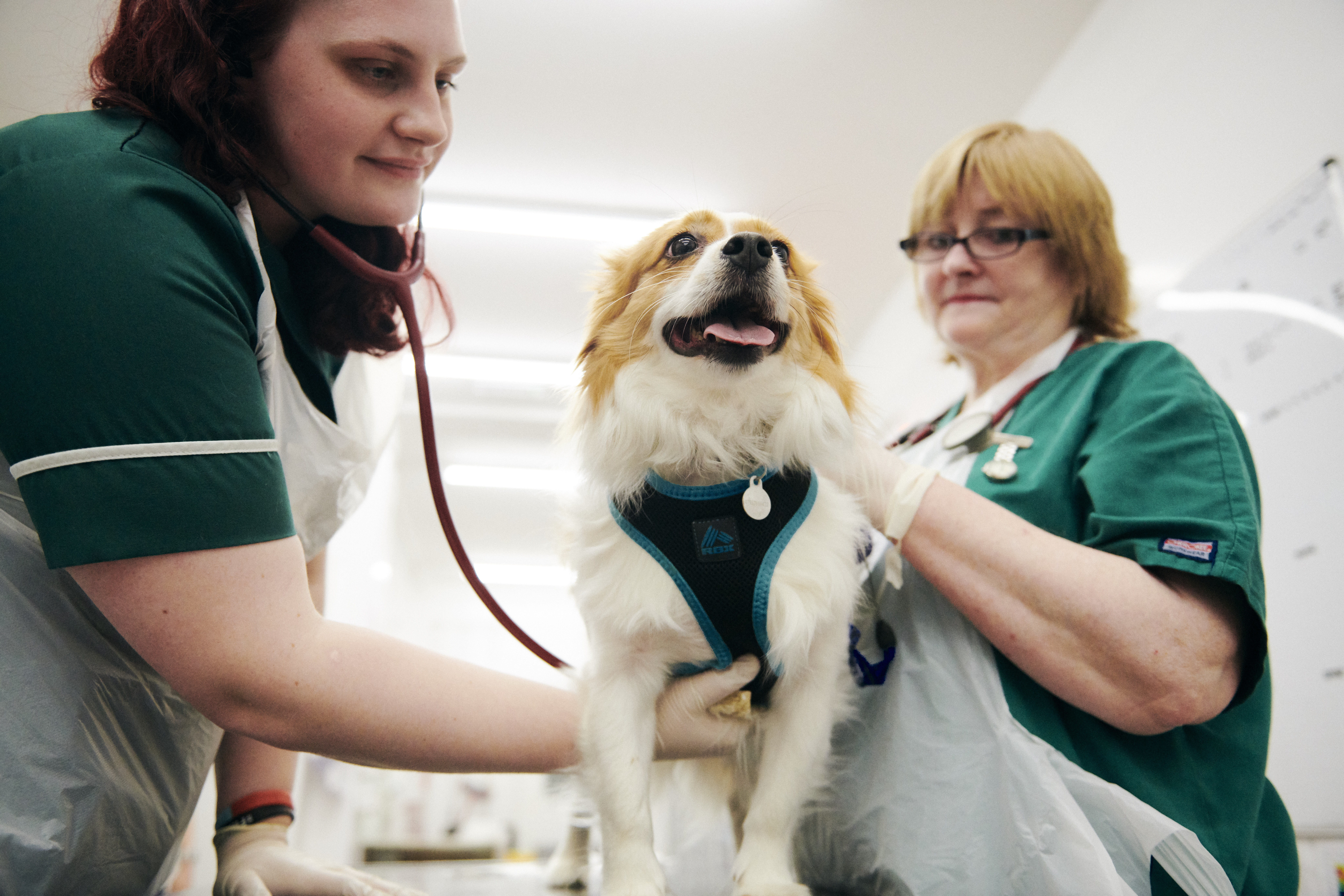
Antimicrobial stewardship in companion animal practice is not a new concept and indeed, the profession has made brilliant progress in recent years and should rightly be proud of its achievements to date. Tangible stewardship protocols and actions are more evident than ever with antibiotic stewardship now sitting squarely within everyday clinical decision-making.
Ten years of companion animal and equine sales data show that the collective efforts of the sector have resulted in significant antimicrobial use (AMU) reductions, but this could plateau if there isn’t sustained focus through ongoing and targeted activity to help secure further reductions. That is exactly why the new antimicrobial use targets for the companion animal sector, launched by RUMA Companian Animal & Equine (CA&E) last November, matter: not because they downplay or replace the considerable work already underway, but because they help demonstrate continued progress, maintain momentum, and focus hearts and minds on where further gains can still be made.
RUMA CA&E has always acknowledged that there has been great work going on in the CA&E sector for a number of years, led by a variety of associations, organisations and stakeholders. One of the drivers for the formation of RUMA CA&E was the desire and need to be able to demonstrate the progress the sectors have made. We are not aiming to duplicate or take credit away from those stakeholders that have already put a lot of time and effort into this area – we want to celebrate progress and contribute to keeping that momentum going.
Over the next five years, the ambition is to deliver an overall 30% reduction in antimicrobial use in dogs and cats, alongside a 50% reduction in use of highest priority critically important antibiotics in cats. Setting appropriate targets is never straightforward, and it is right to recognise that targets can sometimes bring unintended consequences if they are not developed and applied carefully. But done well, they can support responsible reductions in use, help reduce resistance over time, protect the efficacy of these medicines for longer, and maintain access to critically important antibiotics where treatment is genuinely needed.
Now, as a next step, we are starting to focus on specific conditions where antimicrobial use has traditionally been high, but where most patients do not require antimicrobials. In some cases, strong evidence exists to support not using these medicines as that they may even slow recovery.
If stewardship efforts are to gain traction, they should begin with conditions where the evidence is strong, the case for change is clear and the impact can be meaningful. Canine acute diarrhoea and cat bite abscesses/cat fight wounds meet those criteria: they are common presentations, have historically been associated with antimicrobial prescribing, and in most routine cases antibiotics are not needed.
That is why RUMA CA&E’s focus on canine acute diarrhoea and cat bite abscesses/cat fight wounds is such a sensible starting point. The alliance will be launching online resources for vet practices at BVA Live to use to help shape their approach to antimicrobial stewardship in each condition. We hope they are seen as practical enablers of change that are designed to help veterinary teams make informed, confident, evidence-based decisions about antimicrobial use, strengthen stewardship at practice level, and ensure that these critically important medicines are used responsibly and only when clinically indicated.
RUMA CA&E’s national targets and condition-specific toolkits, which are launching at BVA Live on 12 June, will help turn stewardship into something practical and measurable. Focusing first on canine acute diarrhoea and cat bite abscesses/cat fight wounds is a pragmatic choice, and will help the sector demonstrate progress, maintain momentum and strengthen collaboration. If the profession is serious about stewardship, we feel this is exactly the right place to begin.
|
‘Can we achieve the antimicrobial use targets for companion animals?’: Join us at the BVA Interactive Zone at BVA Live on 12 June from 10.30-11.15am for a discussion on this topic with BVA Junior Vice President Gwen Rees, RUMA CA&E Secretary General Steve Howard, and RUMA CA&E Chair of Targets and Measures Group Kit Sturgess. This session will look at the condition-specific campaigns focussing on AMU in cat fight wounds and acute diarrhoea in dogs, and invite the audience to answer some important questions: Are these targets achievable? Why aren't we doing these things already? And how can we best support busy vets to change their prescribing? |
Get tailored news in your inbox and online, plus access to our journals, resources and support services, join the BVA.
Join Us Today