 LOGIN
LOGIN
BVA's impact on the Competition and Markets Authority’s investigation
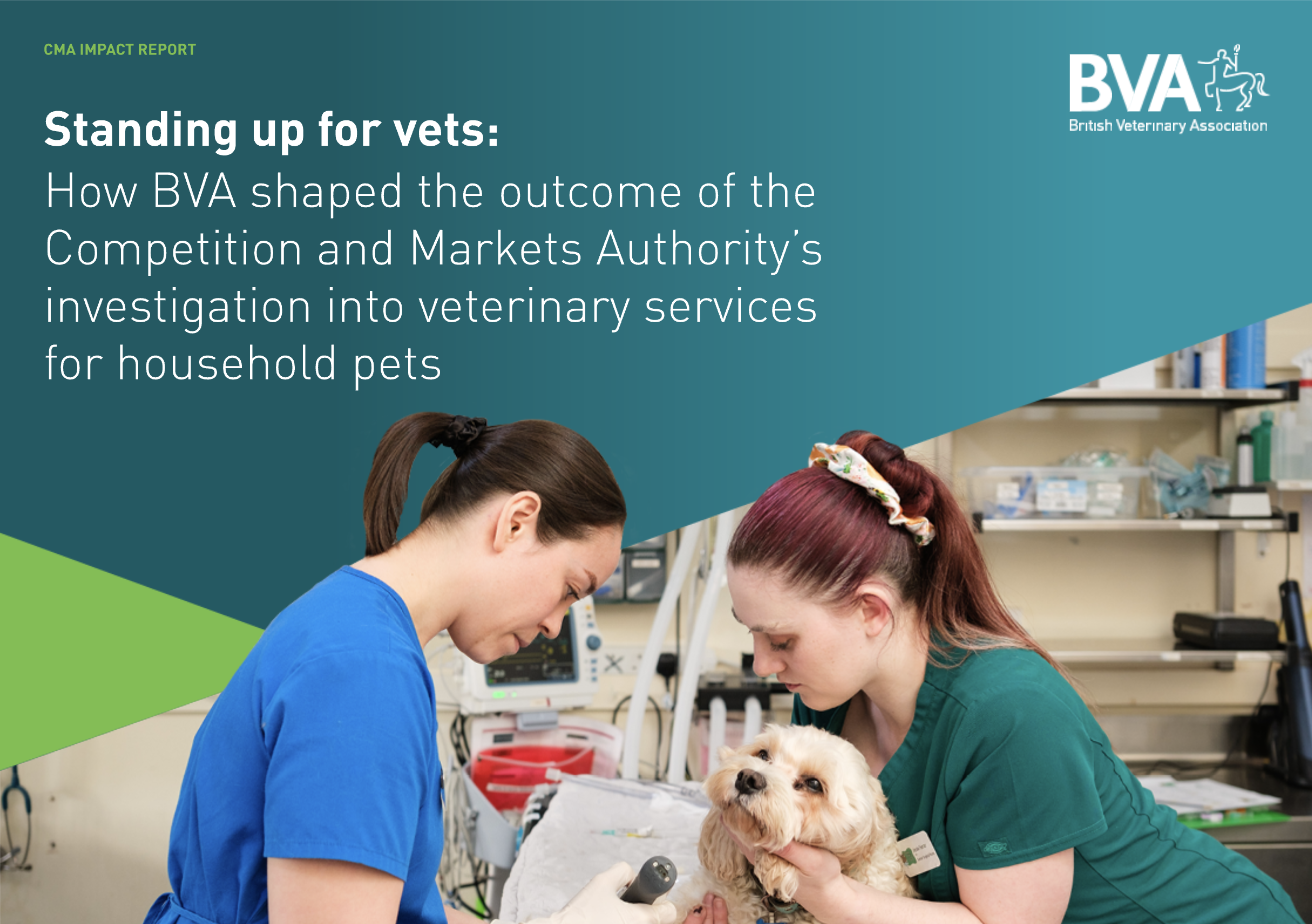
We've worked tirelessly to ensure the CMA undertook its investigation with the full understanding of the complexities and nuances of delivering veterinary services in the UK today.
We challenged the CMA when it was getting it wrong and ensured the voice of our members was heard.
The result is a final set of measures that, whilst not perfect, are more proportionate, workable and less detrimental to the sustainability of vet businesses, and fairer to both vets and pet owners.
You can download the full report on our input here or read on for the highlights.

How we did it
- 13 hours of oral evidence in CMA formal hearings, teach ins and roundtables
- 13 debate sessions at London Vet Show and BVA Live
- 3 live Q&A sessions with CMA at London Vet Show and BVA Live
- 16 consultation responses to the CMA
- 3 webinars supporting the profession through the investigation
- 8 practical resources supporting members to comply with the CMA's final decision
- 3,500 media stories where BVA challenged negative perceptions and championed vets
- 11 short films showcasing the skill and dedication of vets and vet teams
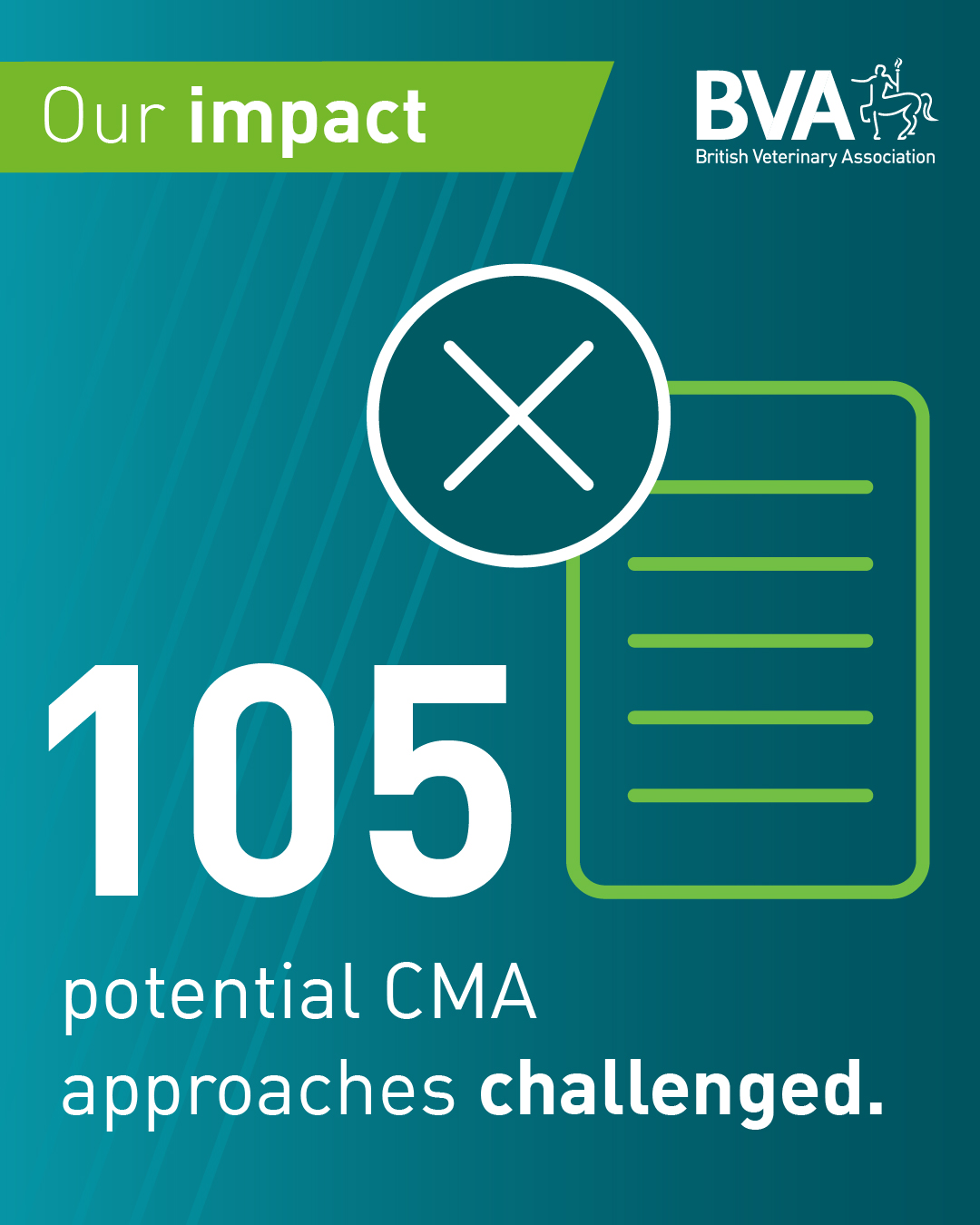
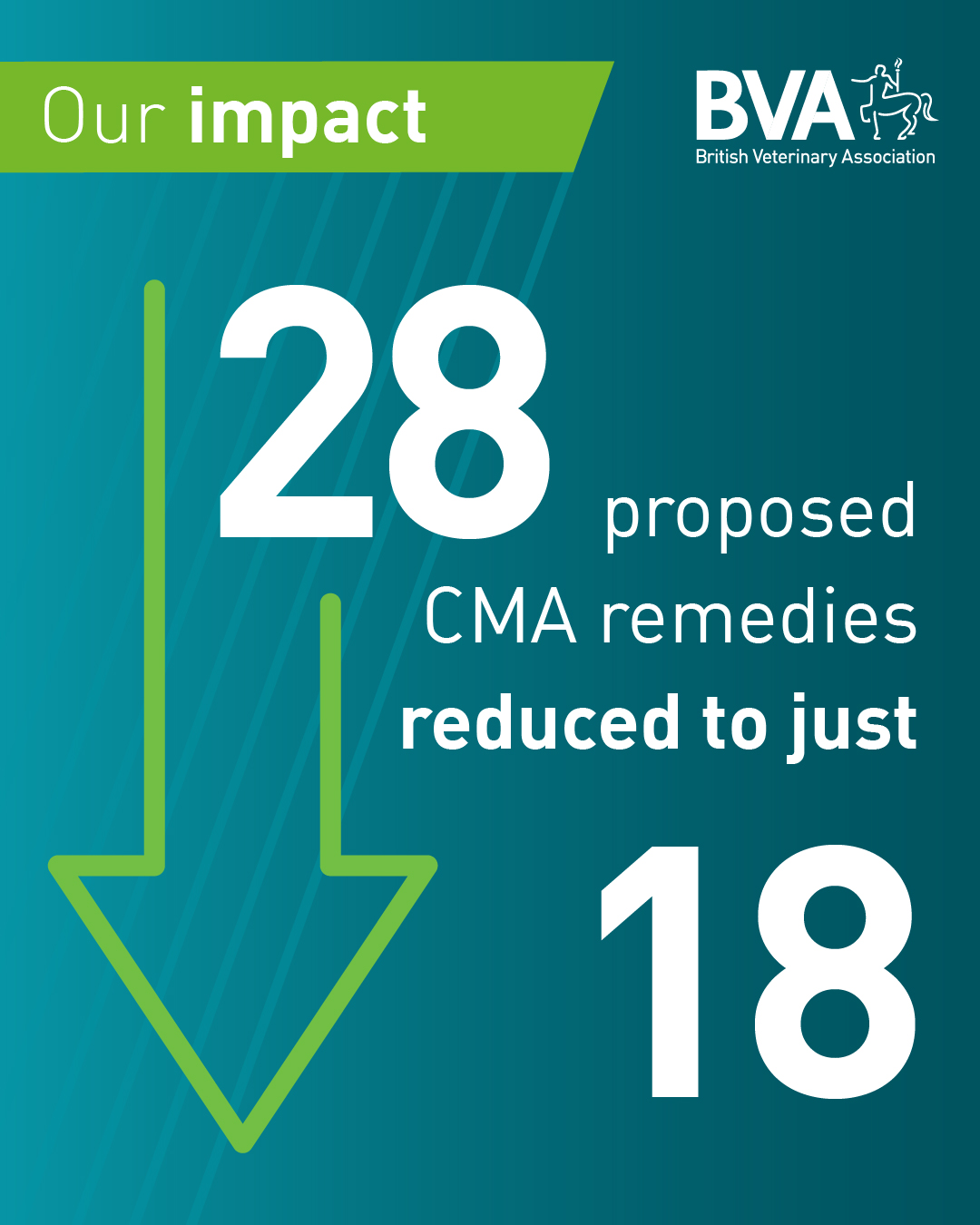
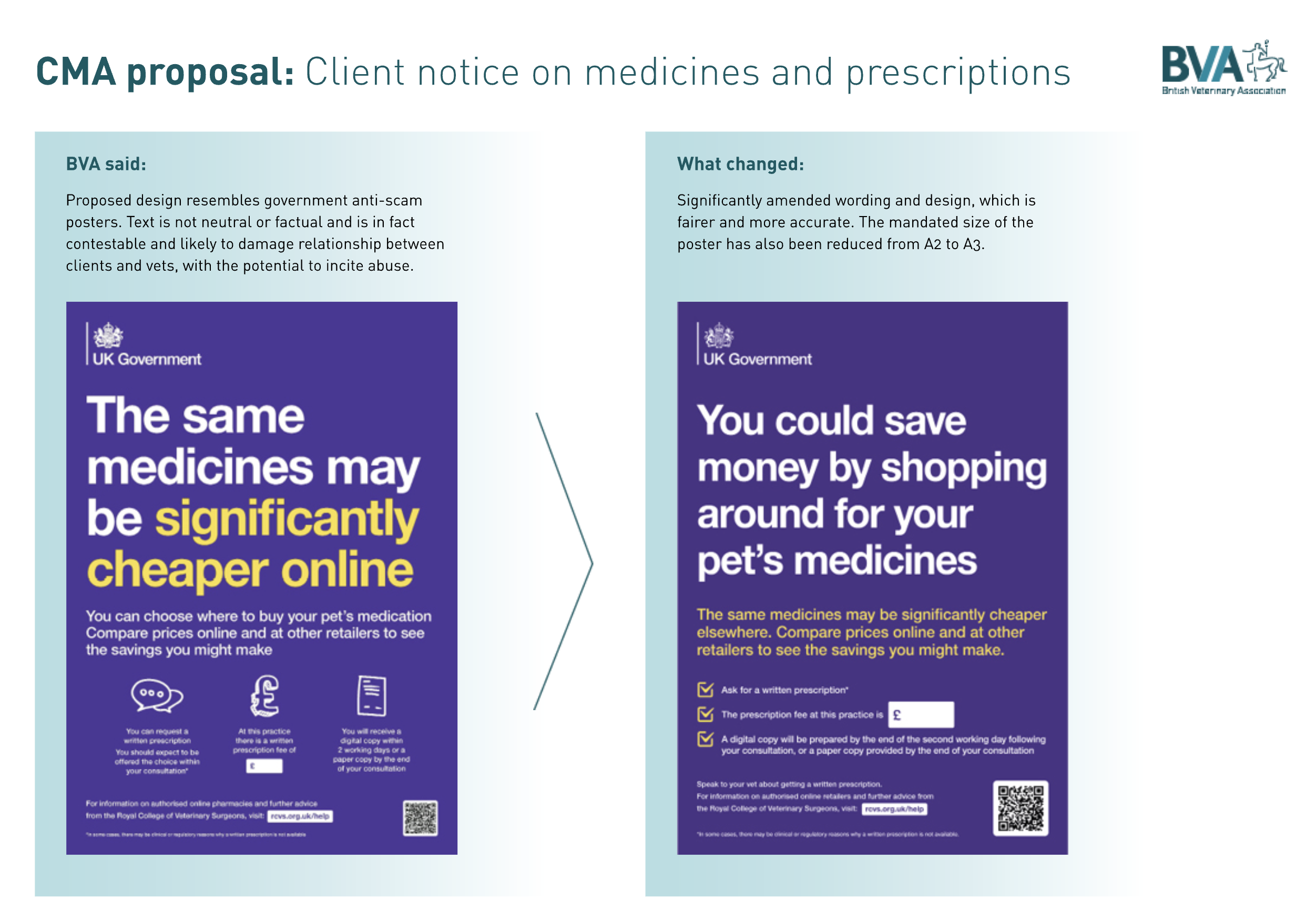
One of four proposals that have been significantly changed following our concerns being raised directly with the CMA is the client notice about medicines and prescriptions.
The original poster was neither neutral nor factual and risked damaging client-vet relationships. The CMA listened, resulting in a fairer, more balanced and accurate version.
We said:
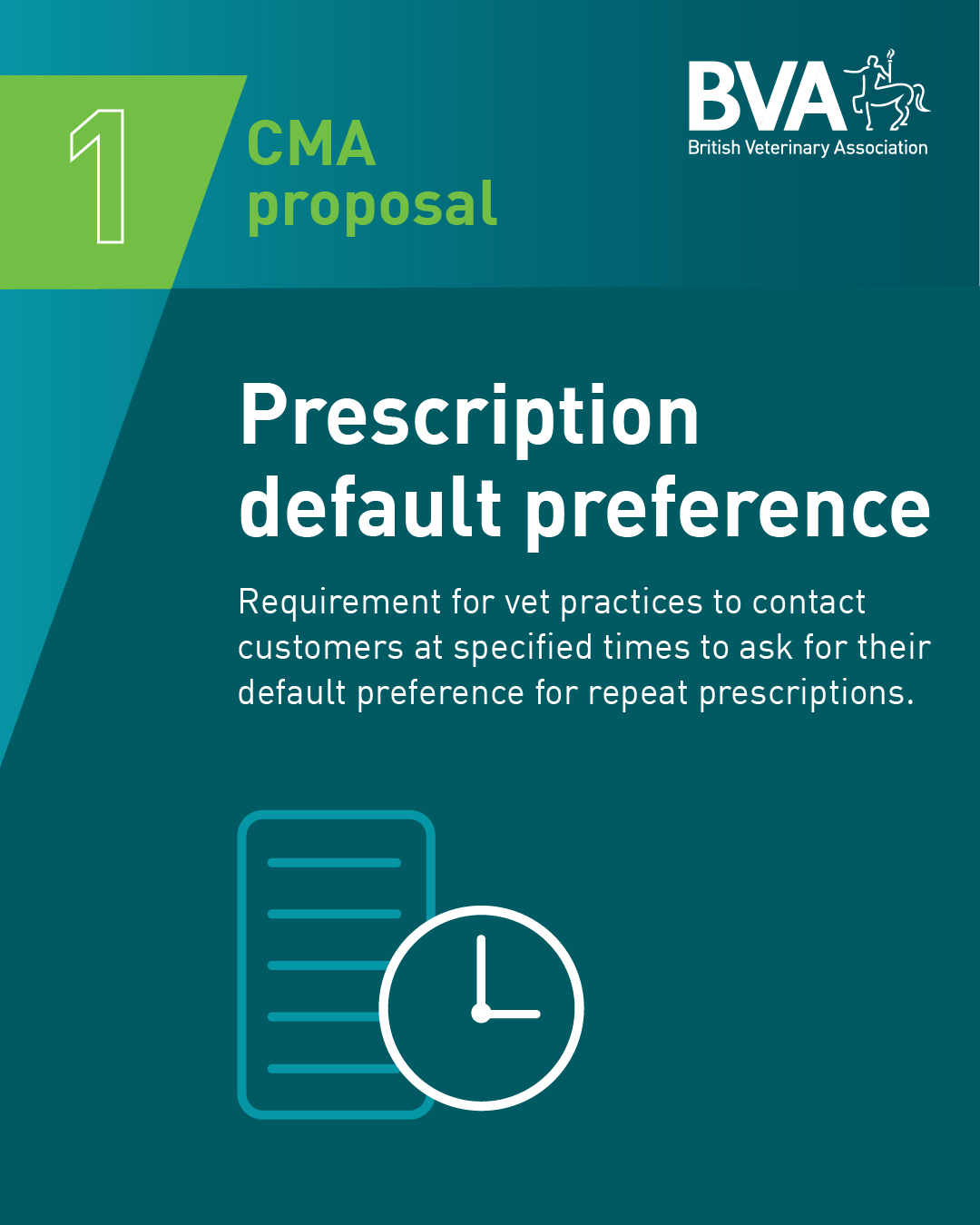
This would be burdensome for vet practices and likely to be largely ignored by pet owners.
We said:
It's not reasonable to require first opinion practices to provide detailed price information when referring to another professional or veterinary business and where the diagnosis, treatment, or prognosis is unknown.
We said:
Price control measures on medicines at first option practice would have the potential to significantly reduce the availability of products, which could harm consumer choice and animal health and welfare.
We said:
The mandating of practices to provide information to clients about quality or outcome-related measures would be extremely challenging to deliver and would not meaningfully support consumer choice.
We said:
This approach is far removed from the way in which veterinary care is delivered and valued and more typically reserved for transactional industries / services such as insurance or utilities providers where customers are prompted to review whether they are still getting the best deal for their money.
We said:
This requirement would prevent vets from exercising clinical judgement and prevent regular clinical evaluations which could pose a serious threat to animal welfare.
We said:
This would fail to take into account supplier factors and external dependencies, and could make the provision of cremation services unviable for some practices, or add the costs elsewhere.
We said:
Greater choice does not necessarily always lead to better animal welfare outcomes or improved client satisfaction, and can result in delayed decision making and the erosion of the vet-client-patient relationship which is vital for positive welfare outcomes. It also doesn't take into account client and patient circumstances.
These are just the key highlights from our impact report, you can download the full report here.
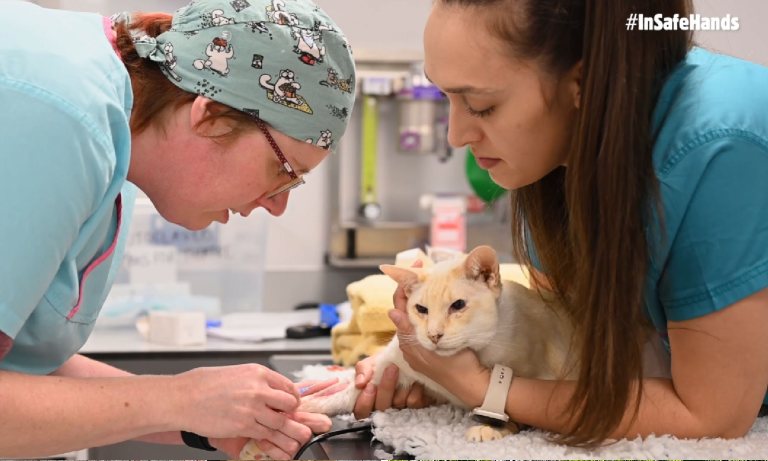
The CMA investigation sparked a fierce backlash towards vets and vet teams, with media and social media aggressively questioning the cost and value of vet care.
Our public-facing campaign #InSafeHands is changing the narrative. Championing the vital role of vets in society, bringing accuracy and nuance to media reporting and reminding pet owners that vets care deeply about their patients and their clients. We have already placed 100s of positive veterinary stories across the media.
A campaign toolkit is also empowering the profession to share and highlight the amazing work you do.