 LOGIN
LOGIN

The veterinary voice for animal welfare: reflecting on BVA’s updated Animal Welfare Strategy
11 Jul 2025
Creating an LGBT+ inclusive workplace is about far more than having the right policies in place. It is about fostering an environment where every member of the team feels respected, valued and able to be themselves. As a member of the British Veterinary LGBT+ group, I know that while significant progress has been made, many LGBT+ veterinary professionals and students still face barriers that others may never see.
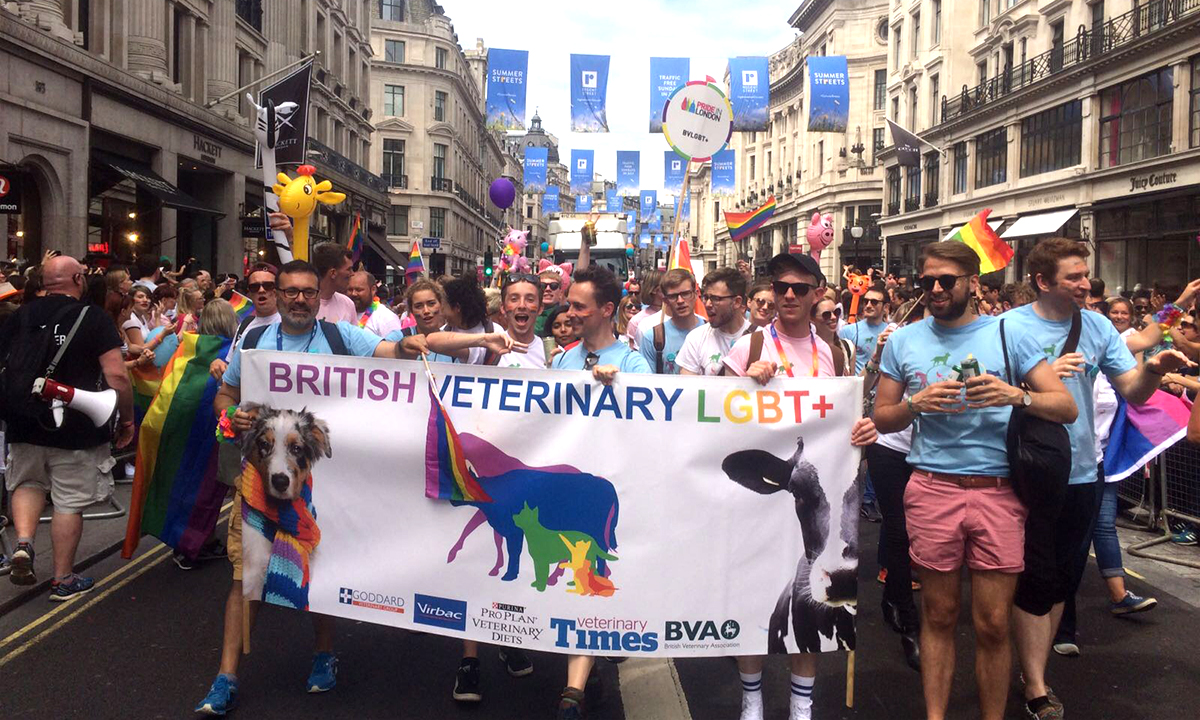
Attitudes towards LGBT+ people have changed considerably over recent decades, and the veterinary profession has made positive strides alongside wider society. However, acceptance is not universal, and many LGBT+ vets, nurses and students still feel unable to be open about their identity at work or during their studies. For some, the decision to hide an important part of themselves is driven by concerns about discrimination, misunderstanding or simply not fitting in.
The impact of this can be considerable. Alongside the everyday pressures that come with working or studying in the veterinary profession, feeling unable to be authentic can affect confidence, wellbeing and mental health. When individuals spend energy worrying about how they will be perceived, they have less capacity to contribute fully to their work, their learning and the wider team.
Creating an inclusive workplace is not about encouraging someone to disclose their sexuality or gender identity before they are ready. Coming out is a personal decision that should always happen on an individual's own terms. Instead, employers, educators and colleagues should focus on creating a culture where people know they will be accepted whenever, or if ever, they choose to share that part of themselves.
There are many practical ways to achieve this. Practices should ensure equality, diversity and anti-harassment policies are current, visible and actively applied. Having a clear transition-at-work policy provides reassurance for transgender colleagues and guidance for managers, while inclusive staff benefits that recognise same-sex partners demonstrate that equality is more than just words.
Small everyday actions are equally important. Normalising the sharing of pronouns in email signatures or introductions can help create a more welcoming environment without placing expectations on any one individual. Marking events such as Pride Month also sends a clear message that LGBT+ colleagues, clients and students are seen, valued and included.
No one is expected to be an expert in every aspect of LGBT+ inclusion, but a willingness to learn goes a long way. Training and educational resources are widely available, and often the most meaningful support comes from simply listening without judgement and showing genuine empathy. Knowing that colleagues care and are willing to stand alongside you can make an enormous difference.
Ultimately, inclusive workplaces are built through everyday behaviours rather than grand gestures. Checking in with a colleague, taking an interest in their life, challenging inappropriate language or displaying visible signs of support all contribute to a culture where everyone can thrive. By creating environments where people feel safe to be themselves, we not only improve individual wellbeing but also strengthen our teams and the veterinary profession as a whole.
Get tailored news in your inbox and online, plus access to our journals, resources and support services, join the BVA.
Join Us Today