 LOGIN
LOGIN

The veterinary voice for animal welfare: reflecting on BVA’s updated Animal Welfare Strategy
11 Jul 2025
Ahead of the BVA Live Hot Topic debate on potential limited licensure and future loss of omnipotential, BVA Junior Vice President Dr. Gwen Rees writes about the critical value of mixed practice vets.
Responding to DEFRA’s recent consultation on reform of the Veterinary Surgeons Act was a mammoth exercise. While Fitness to Practice and Governance Reform grabbed the headlines, one short paragraph stood out to me more than almost anything else: the suggestion that there could be a wider system of limited licensure which could eventually move us away from graduating with omnipotential.
At first glance, that might sound practical, even progressive. Veterinary medicine has changed enormously. Students graduate with clearer career ambitions, practices are becoming more specialised and the breadth of knowledge expected of vets continues to grow. So why insist every graduate demonstrates competence across species and sectors they may never intend to work in?
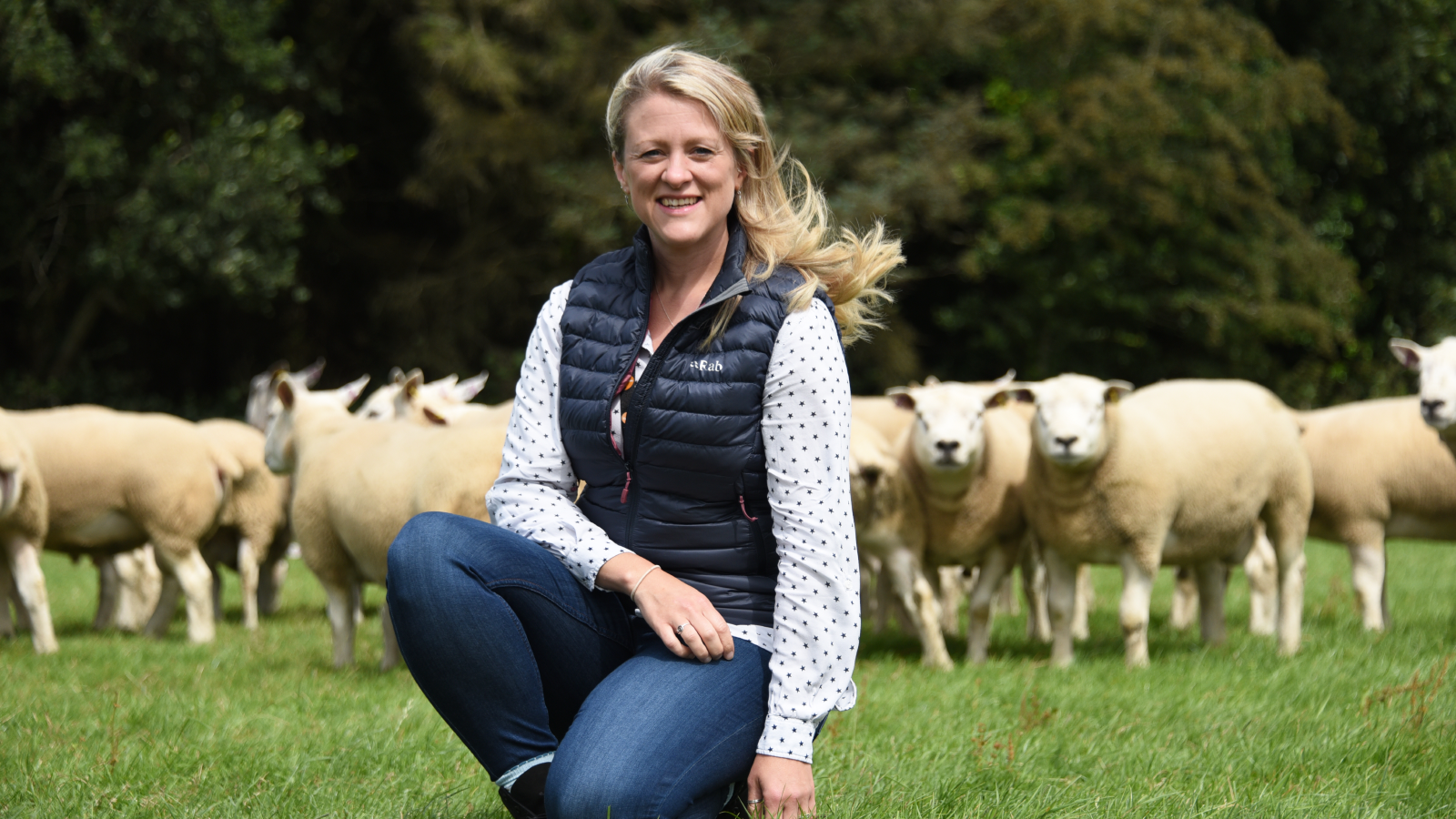
I think we need to think very carefully about what we lose if we abandon omnipotential practice. For me personally, this issue strikes at the heart of what shaped my own career. I entered vet school determined to become an equine vet. Like many graduates at the time, I planned to spend a couple of years in mixed practice before specialising further. What I never expected was falling in love with mixed practice itself, particularly the combination of equine and farm animal work. Had I graduated under a more restricted licensing model, I may never have discovered that passion at all.
Veterinary students are increasingly asked to make career decisions at a remarkably young age. Many arrive at vet school with fixed ideas about what they want to do and leave focused not just on one sector, but one narrow specialism within it. I understand why. The profession is changing and students are trying to navigate an increasingly complex career landscape, but it is only once you start practising that you really understand what being a vet means.
A veterinary degree matters not simply because it prepares you for a first job, but because it gives flexibility across an entire career. One of the profession’s greatest strengths is that careers evolve. Vets move between sectors, discover new interests and adapt to changing circumstances. If we move towards a system where a 17-year-old effectively chooses a lifelong career track before fully understanding the profession, we risk narrowing those opportunities permanently. That matters not only for individual fulfilment, but for retention within the profession itself.
I am also really worried about what this could mean for mixed practice. Mixed practice is often undervalued in modern veterinary discussions, but it remains hugely important — not only to the profession, but to animal health, welfare and rural communities. Mixed practitioners understand comparative medicine in a uniquely broad way, and provide vital services in communities where highly specialised models may simply not be viable.
My greatest concern is the impact on rural and remote areas, where traditional mixed practice remains essential. Just because a community is geographically remote should not mean the animals within it are underserved when it comes to veterinary care. In many parts of the UK, there is still a real need for vets who can perform an emergency bitch caesarian in the middle of the night before heading out at dawn to deliver a calf, then quickly stitch up a horse on the way to breakfast. That breadth of capability is not outdated; it is what keeps veterinary services functioning in some communities.
There is also a broader educational argument here. Even for students committed to one path, there is huge value in learning veterinary medicine across species. Veterinary education teaches far more than technical competence. It develops clinical reasoning, adaptability and an understanding of animal health in a much wider context. The ability to think comparatively across species is one of the defining characteristics of veterinary medicine. Losing that breadth would fundamentally alter the profession.
That said, I do recognise there are circumstances where conditional licensing may have merit. DEFRA’s consultation raises important points around accessibility and the Equality Act. There may be individuals with lifelong physical limitations who could become exceptional vets within a specific scope of practice, even if they cannot meet every pan-species Day 1 competency despite reasonable adjustments. In those cases, conditional licensing could provide a thoughtful and inclusive pathway into the profession. But that is very different from reshaping veterinary education more broadly around early specialisation. The risk is that what begins as a limited exception gradually becomes the norm – you can see why this option might be very popular among universities with veterinary schools and their eyes on the bottom line.
This is why I believe any future proposals around limited licensure must be fully consulted on in their own right. These conversations cannot happen quietly or as a footnote to wider legislative reform because the implications are enormous. This changes the entire profession and what it means to be a vet. The veterinary profession absolutely must evolve, and we should never resist change simply for tradition’s sake. But we must also recognise when change risks narrowing the profession in ways that may ultimately be impossible to reverse. Once omnipotential at graduation is lost, we may not get it back.
And given everything at stake — for vets, for communities and for animal welfare — I believe we need to ask one very serious question: can the profession really afford to lose it?
Join me and a panel of experts at BVA Live to hear more views from the profession on this important topic and get a chance to ask them questions.
|
BVA Live Hot Topic: Is mixed practice dead? The risks of losing omnicompetence (conditional licensure in new VSA) takes place on 12 June at 10.25am at the Business, Careers and Debate Theatre at BVA Live, Birmingham. The debate will be chaired by BVA Junior Vice President Dr Gwen Rees. Panellists include mixed practice vets Hannah Hunt and Kenny Lang, and University of Nottingham PhD student Emily Craven. BVA Members are entitled to fully-funded BVA Live tickets, secure yours here. |
Get tailored news in your inbox and online, plus access to our journals, resources and support services, join the BVA.
Join Us Today