 LOGIN
LOGIN

The veterinary voice for animal welfare: reflecting on BVA’s updated Animal Welfare Strategy
11 Jul 2025
When veterinary student Natalie Bubenheim travelled to Malawi through the Harry Steele-Bodger Memorial Scholarship, she set out to explore whether simple, practical health indicators could help farmers make better decisions about goat herd management.
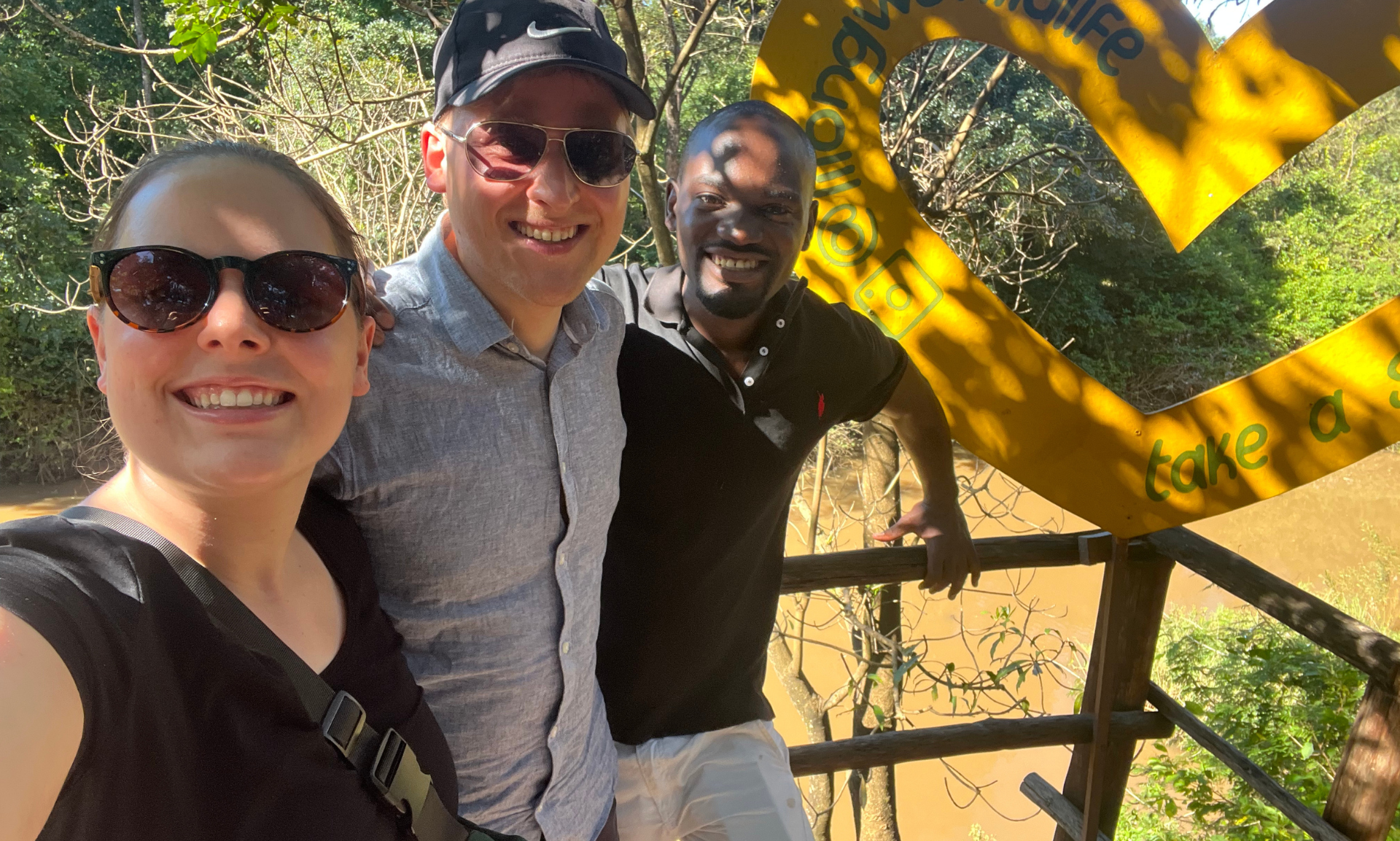
Working alongside students and staff at LUANAR, Natalie combined field research, knowledge exchange and international collaboration to explore animal health, productivity and the value of learning from veterinary communities around the world. Here, she reflects on her research, her time in Malawi, and how the experience has shaped her outlook on veterinary medicine.
Healthy livestock are essential for productivity, profitability and animal welfare. In Malawi, parasitic disease and poor body condition can have a significant impact on goat health, but farmers often need practical, low-cost ways to identify animals that require attention.
My project explored the relationships between different health and productivity indicators in goats on commercial farms in Malawi. By collecting information such as body condition scores, FAMACHA scores, body weights and selected faecal samples, I hoped to better understand how these measures relate to one another and how they could support practical herd management decisions.
The project was carried out in collaboration with veterinary students and staff at LUANAR (Lilongwe University of Agriculture and Natural Resources), giving us the opportunity to work together on farms and exchange knowledge and experience in a real-world setting.
By examining how straightforward clinical assessments such as FAMACHA scoring and body condition scoring relate to overall health and performance, the project aimed to support more informed herd management decisions. Better use of these tools may help farmers and veterinarians identify at-risk animals earlier, target interventions more effectively and improve herd health and productivity.
Travelling to Malawi and carrying out this project was an unforgettable experience. While the research itself was fascinating, what really stood out to me was the warmth and generosity of the people we met. Everyone, from the farmers who welcomed us onto their properties to people we encountered in everyday life, was incredibly kind, welcoming and interested in what we were doing.
Malawi is also an incredibly beautiful country. Spending time there gave me the opportunity to experience a different approach to veterinary medicine, as well as a different culture and way of life. It’s an experience I will always be grateful for.
Working alongside the LUANAR students and Bonnie Munthali reinforced how valuable international collaboration can be. We shared ideas and practical skills, while learning just as much from one another. The experience left me with a genuine appreciation for the veterinary community in Malawi and a strong desire to return in the future, whether for further research or other opportunities to contribute to animal health and education.
One of the top highlights was working alongside the LUANAR veterinary students. They were only in their second year of training, so I really enjoyed introducing them to practical skills such as body condition scoring, FAMACHA scoring and faecal worm egg count techniques, and discussing how these tools can be used in the field. It was just as much a learning experience for me as it was for them, and exchanging ideas and perspectives made the day enjoyable.
Working closely with Bonnie Munthali was another highlight of the project. Bonnie played a huge role in coordinating the fieldwork, organising transport and supporting us throughout our time in Malawi, and he also became a trusted colleague and friend. We remain in contact, and I'm extremely grateful for his generosity, guidance and enthusiasm for the project.
Meeting the farmers and talking with them about the aims of the research was also a real privilege. It was rewarding to see their interest in the work and to have the opportunity to discuss practical approaches to improving goat health and productivity in their own herds.
Go for it! Opportunities like this allow you to step outside your comfort zone, develop new skills and build relationships that you simply couldn't gain in a classroom. The experience has been invaluable both professionally and personally, and I would encourage anyone with an interest in global veterinary medicine or research to apply.
From a research perspective, I hope the project will provide useful insights into practical indicators of herd health that can support evidence-based management decisions and contribute to future work in small ruminant production.
On a personal level, I hope to come away with a deeper understanding of livestock systems in Malawi, stronger research skills and lasting professional connections. I also hope the experience will make me a more adaptable and culturally aware veterinarian who is better equipped to work collaboratively in a range of settings.
After graduation, I'll be moving to Arizona to begin work in a small animal general practice that also sees exotic pets. Although my immediate career path isn't in farm animal medicine, this experience has reminded me that veterinary medicine offers many ways to make a meaningful contribution.
My time in Malawi has sparked a real interest in international collaboration and research, and I'd love to stay involved in projects like this throughout my career. Whether that's contributing to future studies, returning to Malawi or elsewhere in Africa, or pursuing additional training through an internship or residency, I hope to continue combining clinical work with opportunities to support veterinary education and evidence-based improvements in animal health.The
Get tailored news in your inbox and online, plus access to our journals, resources and support services, join the BVA.
Join Us Today