 LOGIN
LOGIN

The veterinary voice for animal welfare: reflecting on BVA’s updated Animal Welfare Strategy
11 Jul 2025
To celebrate LGBT+ History Month, throughout February we are featuring Q&As with some key role models. Vet Ben Erentraut shares his experiences working in the veterinary profession and his advice for those struggling with their sexuality or gender identity.
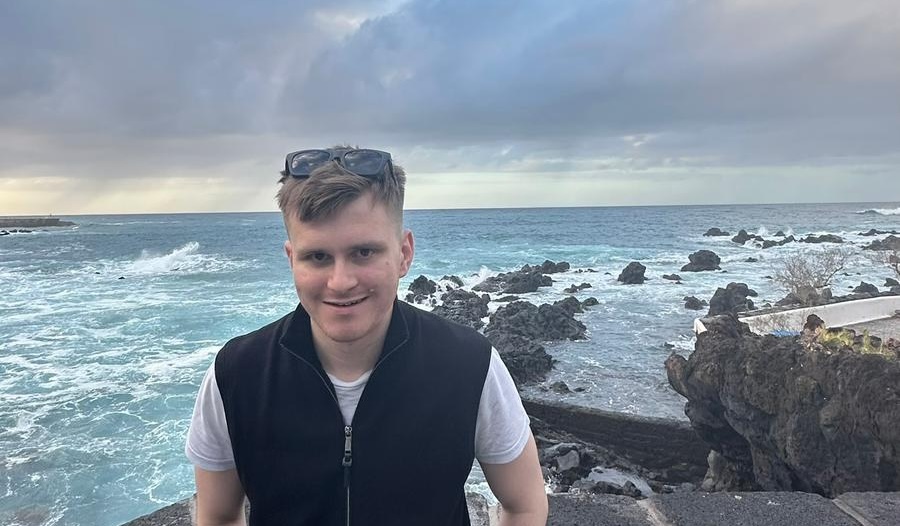
To celebrate LGBT+ History Month, throughout February we are featuring Q&As with some key role models. Vet Ben Erentraut shares his experiences working in the veterinary profession and his advice for those struggling with their sexuality or gender identity.
What inspired your path into the veterinary profession?
My mum said it was a bit of a dream of mine since I was four, but being from a working-class background, it wasn’t really the norm for my family to go to university. Being diagnosed with an autistic spectrum condition at the age of nine definitely made me feel the odds were stacked against me. When I was 15, I did work experience with my local vet for a week. I still remember what he said to me at the end of that week. “Work hard, you’ve got what it takes to be a vet”. And I suppose that was what set me off. The fact that someone in the profession actually thought I had potential. Fast forward nearly three years, I got a card from him that read: “Congratulations on your A-level results and a well-earned place at veterinary college.”
What has been the most challenging part of your career?
Finding my place in the profession as a neurodivergent new graduate was challenging. Initially, I struggled with managing consults and ‘soft skills’, exacerbated by lack of sleep, moving to a new area with no support, and the pandemic. This led to a rapid decline, antidepressants, and at my worst, calling Vetlife three times in a day. A full-blown panic attack during a first puppy consultation highlighted the need for support. Not knowing of any autistic vets didn’t help. It wasn’t until I worked with a vet who was going through an autism diagnosis as an adult that I finally got the hang of consults.
What has been the best part of your career so far?
Realising being neurodivergent can be a strength in the veterinary sector, especially with internal medicine and pathology one of which I would love to specialise in one day. Also developing a support network including my (long-suffering) family and BVLGBT+ (proud to have marched my first ever Pride with them in London). I’ve also enjoyed working with vet students and new graduates, especially those with neurodiversity. I believe now that I’m qualified I have the chance to be the role model I feel I lacked as a student.
What advice would you offer to someone experiencing difficulty with their sexuality or gender identity?
I’ve definitely been there. In my teenage years I got a lot of homophobic comments, even before I came out. I’m quite lucky in that my mum was fine when I came out, but I’ve heard enough stories to know that’s not the case for everyone. So I suppose my advice would be that the people who matter won’t give a damn. There are support networks out there. There’s BVLGBT+ and Vetlife, most vet schools have LGBT+ societies and even LGBT+ staff. If you face discrimination or rejection, remember the words of the Marcus Aurelius, the Roman Emperor with a sideline in stoic philosophy: “The best revenge is to be unlike him who performed the injury”.
Get tailored news in your inbox and online, plus access to our journals, resources and support services, join the BVA.
Join Us Today