 LOGIN


The veterinary voice for animal welfare: reflecting on BVA’s updated Animal Welfare Strategy
11 Jul 2025
Locum vets enjoy flexibility, independence, and often higher earning potential than their salaried counterparts. The ability to choose when, where, and how they work is one of the profession's greatest attractions, offering a level of control over career and lifestyle that many professionals value highly.
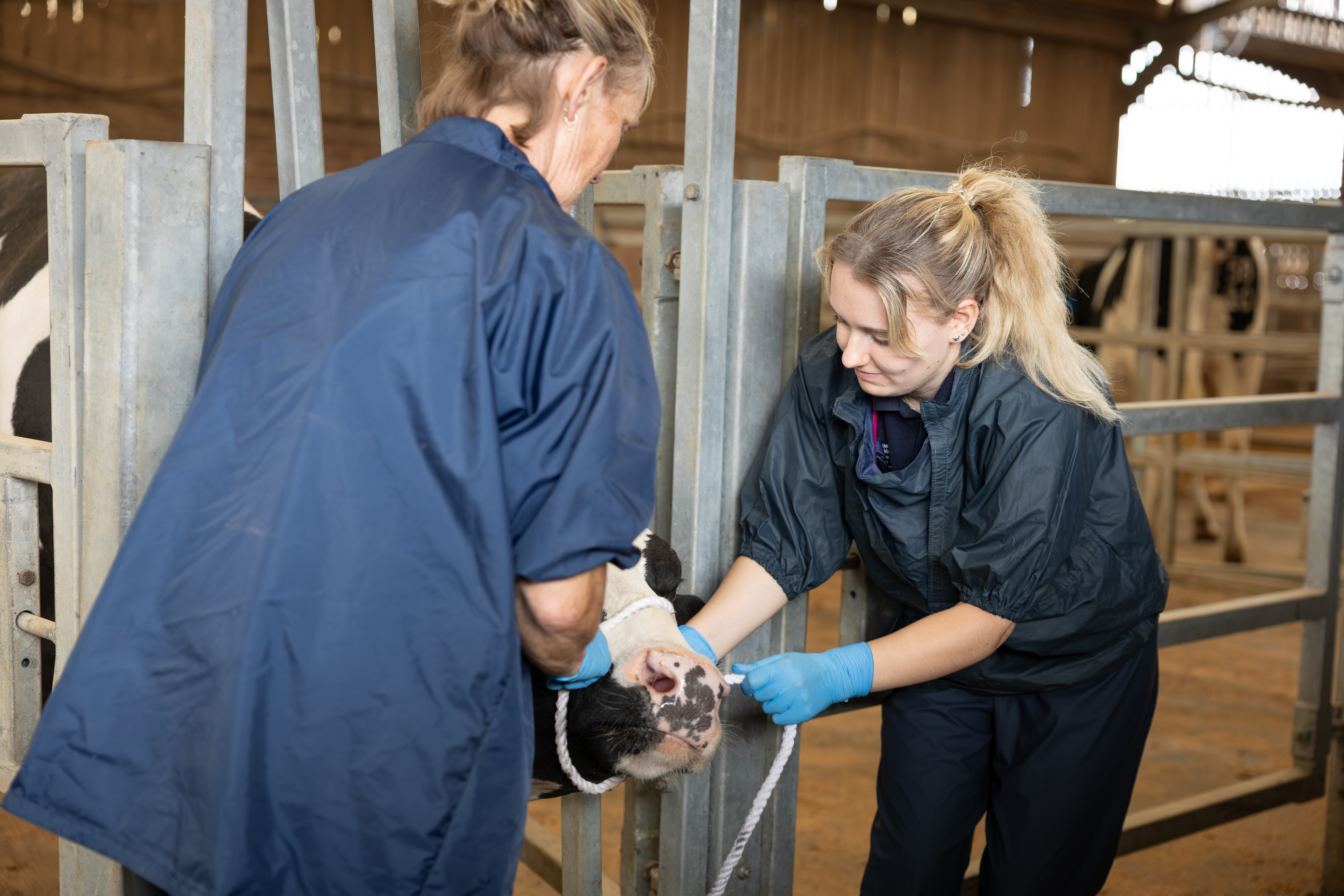
With this flexibility comes greater responsibility for financial planning, including preparing for retirement. While locum vets do not typically have access to the same workplace benefits as employed colleagues, there are a range of options available to help build long-term financial security.
One of the key differences for locum vets is that they are responsible for arranging their own pension provision. While salaried employees benefit from automatic workplace pension enrolment and employer contributions, locums can choose from a range of private pension options that offer flexibility and control over how and when they save. Although this requires more active involvement, it also allows vets to tailor retirement planning to their individual goals and circumstances.
The variable nature of locum income can sometimes make retirement saving feel more challenging. Work levels may fluctuate due to seasonal demand, personal lifestyle choices, or gaps between contracts. However, many locum vets find that building retirement contributions into their financial planning during busier periods can help maintain progress towards their long-term objectives, even when income patterns change.
The demands of running a self-employed career often mean attention is focused on clinical work, professional development, and building strong relationships with practices and clients. As a result, retirement planning can sometimes be postponed. Setting aside time for regular financial reviews can help ensure that long-term goals remain on track while allowing vets to continue enjoying the benefits of locum work.
Locums are also responsible for managing periods without income, including holidays, sickness, or time between placements. Establishing an emergency fund alongside retirement savings can provide valuable peace of mind and help create a strong financial foundation. Having both short-term reserves and long-term investments can make it easier to balance current needs with future aspirations.
Working as a locum also means taking responsibility for finances, including tax planning, pension contributions, and investment decisions. While this can initially seem complex, it also provides greater visibility and control over your finances. Professional financial guidance can help simplify these decisions and ensure opportunities such as pension tax relief and other tax-efficient planning strategies are not overlooked.
A common question for many self-employed professionals is how much they need to save. Without a workplace pension scheme setting contribution levels, locum vets have the opportunity to define their own retirement goals based on the lifestyle they would like in later life. Reviewing these goals regularly can help ensure contributions remain appropriate as circumstances evolve.
The physical and emotional demands of veterinary work are also worth considering when planning for the future. Long hours, demanding clinical cases, compassion fatigue, and the pressures associated with supporting both animals and their owners can influence how long an individual wishes to work. Building retirement savings early can provide greater flexibility later in life, whether that means reducing working hours gradually, changing roles, or retiring earlier than originally planned.
Starting retirement planning as early as possible can make a significant difference. Even relatively modest contributions can benefit from many years of potential growth, helping to build financial resilience over time. Consistency is often more important than making large contributions, and regular saving can help create momentum towards longer-term goals.
The good news is that effective retirement planning is entirely achievable for locum vets. In many ways, the independence that attracts people to locum work can also be an advantage when it comes to financial planning. By establishing suitable pension arrangements, maintaining a financial safety net, and reviewing plans regularly, locum veterinarians can build a retirement strategy that supports both their current lifestyle and future ambitions.
Many vets choose locum work because it provides greater freedom and flexibility throughout their careers. Taking steps to plan for retirement can help ensure those same qualities remain available later in life, giving more choice over when and how to reduce working hours or stop working altogether.
Ultimately, locum work offers the opportunity to shape a career on your own terms. With a proactive approach to retirement planning, it is possible to enjoy the flexibility of locum work today while building confidence and financial security for the future.
If you're a locum veterinarian and would like to understand your retirement planning options in more detail, seeking guidance from a financial adviser who understands the veterinary profession may help you make informed decisions about your future.
About Chase de Vere and the BVA partnership
Chase de Vere is a partner of the British Veterinary Association (BVA).
Our advisers understand many of the realities vets face – including moving between practices, locum work, self-employment, ownership and changing working patterns.
As part of this partnership, BVA members can book a free initial chat with one of our specialist advisers to ask questions and gain clarity with no obligation.
Book a free initial chat with a Chase de Vere adviser
|
Important information This article is intended for general information only and does not constitute financial advice. The suitability of any financial product, investment or strategy will depend on your individual circumstances. Pension and tax rules can change and any benefits will depend on your individual circumstances. The value of investments can fall as well as rise, and you may get back less than you invest. |
Get tailored news in your inbox and online, plus access to our journals, resources and support services, join the BVA.
Join Us Today