 LOGIN
LOGIN

The veterinary voice for animal welfare: reflecting on BVA’s updated Animal Welfare Strategy
11 Jul 2025
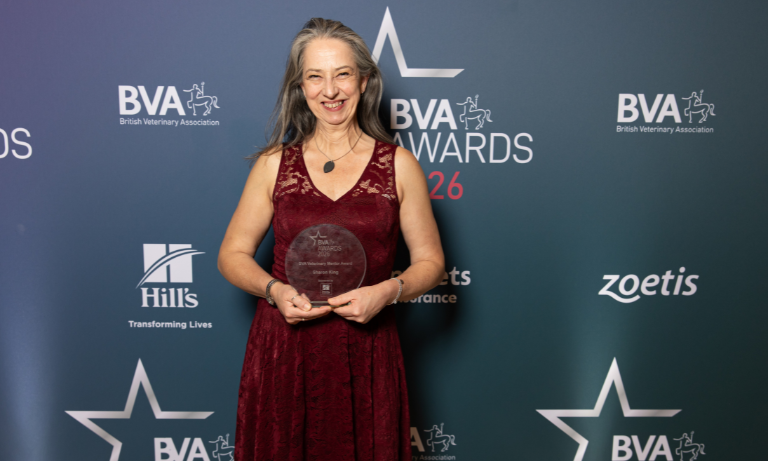
Meet Sharon King, a small animal vet at Downes Veterinary Services and a lecturer in Veterinary Science at Aberystwyth School of Veterinary Science, who won our first BVA Veterinary Mentor Award for her compassion and how she works hard to support those who need her as a whole person, not just as a vet student.
Growing up on a farm and being surrounded by animals, becoming a vet felt like a really natural career choice. Although it sounds cliché, James Herriot and the original TV series All Creatures Great and Small undoubtedly played a role in reinforcing that ambition. While the romanticised portrayal of veterinary practice bears little resemblance to the realities of modern day-to-day general practice, it was the relationship between vets, animals, and their owners that resonated with me. Seeing the positive impact that treating animals could have on both the animals and the people who cared for them sparked a desire that went far beyond simply working with animals—it inspired a vocation centred on compassion, problem-solving, and making a meaningful difference.
Combining both clinical practice and academia gives me the best of both worlds. I can make a difference to the lives of animals and their owners while helping to develop the next generation of vets.
One of the most rewarding aspects of my role is supporting students throughout their journey, from their pre-clinical years at the Aberystwyth School of Veterinary Sciences through to their clinical EMS placements whilst at the RVC. Watching them grow—not only in knowledge and clinical skills, but also in confidence, professionalism, and their own sense of identity as future vets—is incredibly fulfilling.
One of the biggest challenges has been safeguarding my own wellbeing and mental health. As someone with an “all-or-nothing” mindset, I have had to learn that even when you do everything right, things still go wrong. Accepting that not every outcome is within my control has been one of the hardest lessons to learn.
Like many vets, I have also experienced, and still do experience, imposter syndrome. Learning to manage those feelings, recognise my own achievements, and being kinder to myself has been an important part of my development. It however remains a work in progress, but it has taught me the importance of resilience, self-awareness, and prioritising my own mental wellbeing alongside the care I provide to others.
Being a vet is hard; being a good vet is even harder! You will face challenges that will seem overwhelming but hold on to the reasons that first inspired you to join the profession.
Seek out mentors and colleagues who will support, encourage, and challenge you. Having people around you who understand the demands of the profession and believe in your potential can make all the difference, helping you develop the confidence, skills, and resilience needed to become the best version of yourself.
Above all, remember that being a good vet is about far more than clinical knowledge. Technical expertise matters, but so too is the ability to build trust with clients, work effectively within a team, and showing empathy and compassion during challenging situations. These qualities are often what clients remember most, and they are fundamental to delivering truly excellent veterinary care.
Get tailored news in your inbox and online, plus access to our journals, resources and support services, join the BVA.
Join Us Today