 LOGIN
LOGIN

British Veterinary Association responds to competition watchdog’s provisional decision and welcomes call for vet practice regulation
15 Oct 2025
With extreme heat warnings in place this week, if you have any concerns that a pet is suffering from a heat-related condition, speak to your vet immediately.
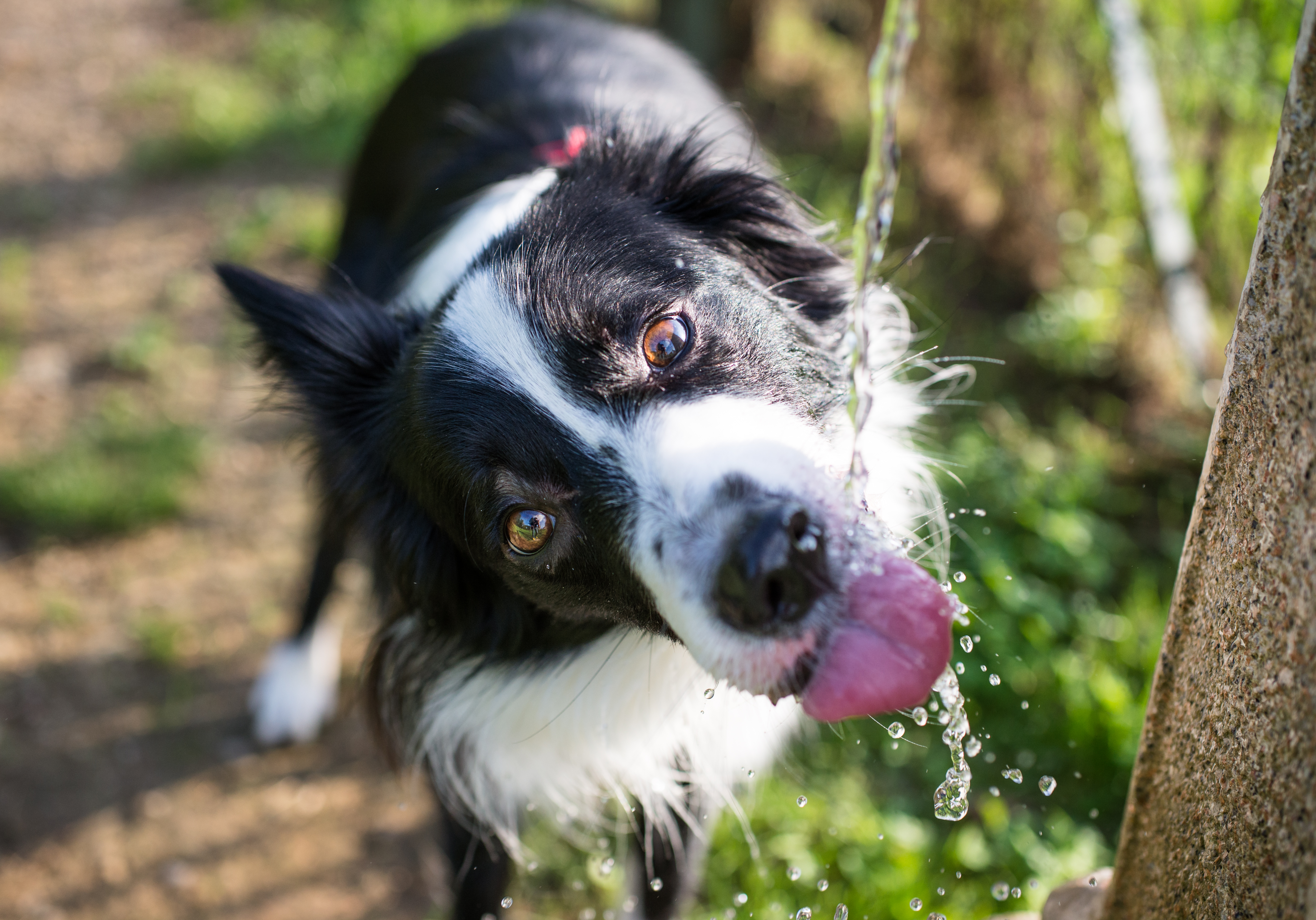
With red and amber warnings for extreme heat issued by the Met Office this week, pet owners need to take extra precautions to protect animals from heatstroke and other heat-related illnesses.
Every summer, vet teams across the UK see large numbers of pets requiring treatment for conditions linked to hot weather, including heatstroke, burnt paw pads, sunburn and breathing difficulties. Sadly, some animals do not survive.
Dogs can be particularly vulnerable during periods of high temperatures and humidity because, unlike people, they cannot cool themselves efficiently through sweating. Even a short walk during the hottest part of the day or being left in a vehicle for a few minutes can have devastating consequences. Flat-faced breeds, including bulldogs and pugs, face an even greater risk because their shorter muzzles can make breathing more difficult, reducing their ability to cool themselves through panting. Overweight animals and those with thick coats are also at increased risk.
As temperatures rise, ensure your pets have access to fresh drinking water, adequate ventilation and shade from direct sunlight at all times. When it comes to dogs, walks should be limited to the early morning or late evening when temperatures are lower. On particularly hot days, it may be safest to skip walks altogether.
Take the five-second tarmac test before taking your dog outside. Place the palm of your hand on the pavement for five seconds. If it is too hot for you, it is too hot for your dog's paws. It’s equally important to remember never to leave a dog in a car, caravan or conservatory, even for a short period. Temperatures can rise rapidly and become life-threatening within minutes.
Recognising the signs of heatstroke can help save a pet's life. In dogs, these signs include heavy panting, excessive drooling, restlessness, bright red or very pale gums, and a lack of coordination. If you suspect your dog is suffering from heatstroke, move them immediately to a cool, well-ventilated area, offer small amounts of cold water if they are able to drink, and pour cold water over them to help bring their temperature down. You should then seek urgent advice from your vet.
If you have rabbits and guinea pigs you too can take steps to help keep them cool. Provide additional shade, ensure constant access to fresh water and good ventilation, and covering the tops of wire runs with damp towels can help. For rabbits, lightly misting the ears with cool water may also be effective, provided this does not cause distress.
Taking these simple and sensible precautions can make difference. Finally, if you are concerned that a pet may be suffering from a heat-related condition speak to your vet immediately.
Get tailored news in your inbox and online, plus access to our journals, resources and support services, join the BVA.
Join Us Today