 LOGIN
LOGIN

British Veterinary Association responds to competition watchdog’s provisional decision and welcomes call for vet practice regulation
15 Oct 2025
As temperatures soar this Bank Holiday weekend, BVA has issued advice to help dog owners keep pets safe in the heat.
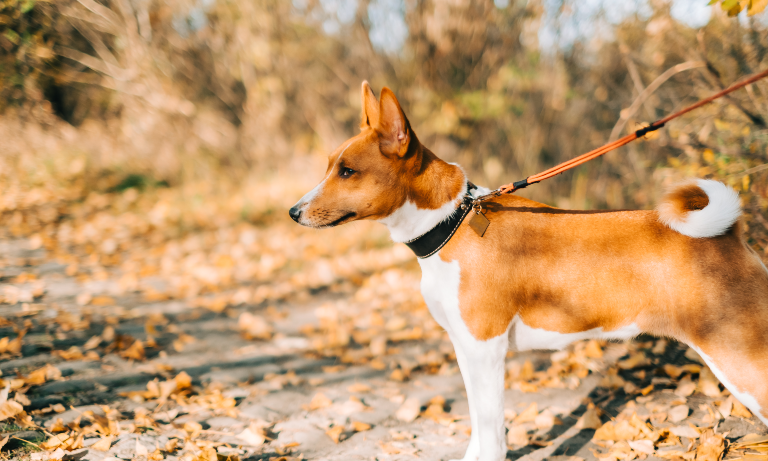
With temperatures set to hit 30 degrees Celsius this Bank Holiday weekend, we are advising dog owners to stick to early morning and late evening walks and avoid exercising pets in the hottest parts of the day to prevent potentially fatal heat-related illnesses.
Each summer, vets across the country report seeing large numbers of cases involving dogs who require treatment for heatstroke, burnt paw pads, sunburn and breathing difficulties, with some dogs sadly unable to be saved as a result.
Unlike people, dogs struggle to stay cool in high temperatures and humid conditions because they are unable to cool down quickly through sweating, making them vulnerable to overheating. Even a very short walk in the middle of the day or being locked in a car for a few minutes can be fatal. Panting is a dog’s main way to cool its body temperature. That is why flat-faced breeds such as English bulldogs and pugs, are at even greater risk, as their short muzzles can make breathing difficult. Overweight, old and densely coated animals are also at increased risk.
British Veterinary Association President Dr Rob Williams MRCVS said:
“While many of us will be looking forward to finally enjoying a bit of sunny weather this Bank Holiday weekend and in the coming week, our pets will need extra care to be safe from heatstroke and other heat-related illnesses. Make sure all pets have access to fresh drinking water, good ventilation and shade from direct sunlight at all times. When it comes to walking or exercising dogs, it’s important not to take them out during the heat of the day - stick to early morning or late evening walks only, and never leave them inside a car, caravan or conservatory even for a little while.
“It helps to recognise early signs of heatstroke as quick action could save your pet’s life. In dogs, signs of heatstroke include heavy panting, drooling, restlessness, bright red or very pale gums, and lack of coordination. If you suspect heatstroke, take your dog to a cool, well-ventilated place, give it small amounts of cold water to drink if possible, and pour cold water over the body to cool it down, before contacting your vet.”
BVA’s Voice of the Veterinary Profession survey during 2022’s record-breaking heatwave revealed that half (51%) of all vets in the UK saw cases of animals requiring treatment for heat-related illness. Dogs were the most common animal seen with heat-related conditions reported by 51% of small animal vets, followed by rabbits (9%) and cats (6%).
See more of our top tips for keeping animals safe in hot weather.
Get tailored news in your inbox and online, plus access to our journals, resources and support services, join the BVA.
Join Us Today